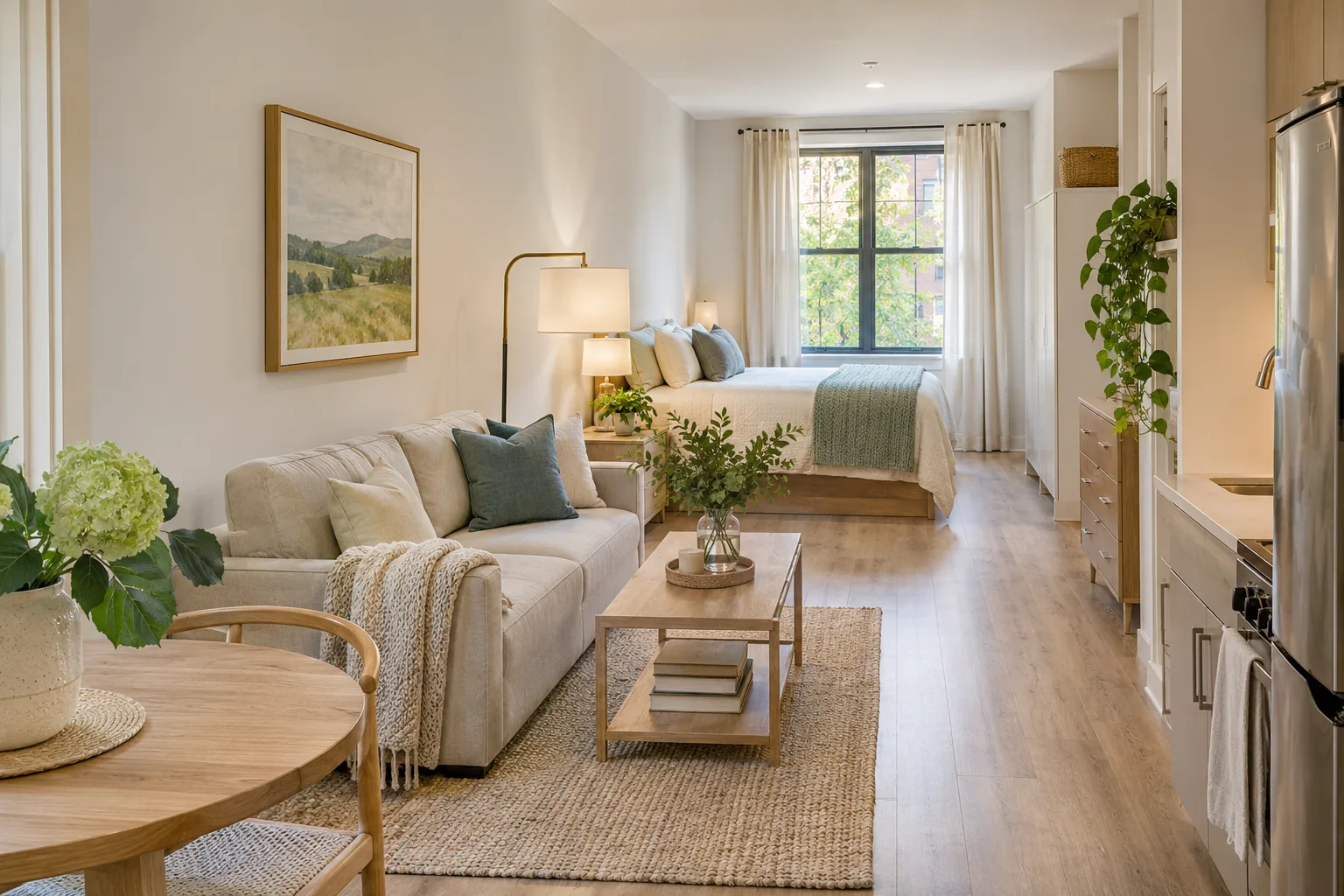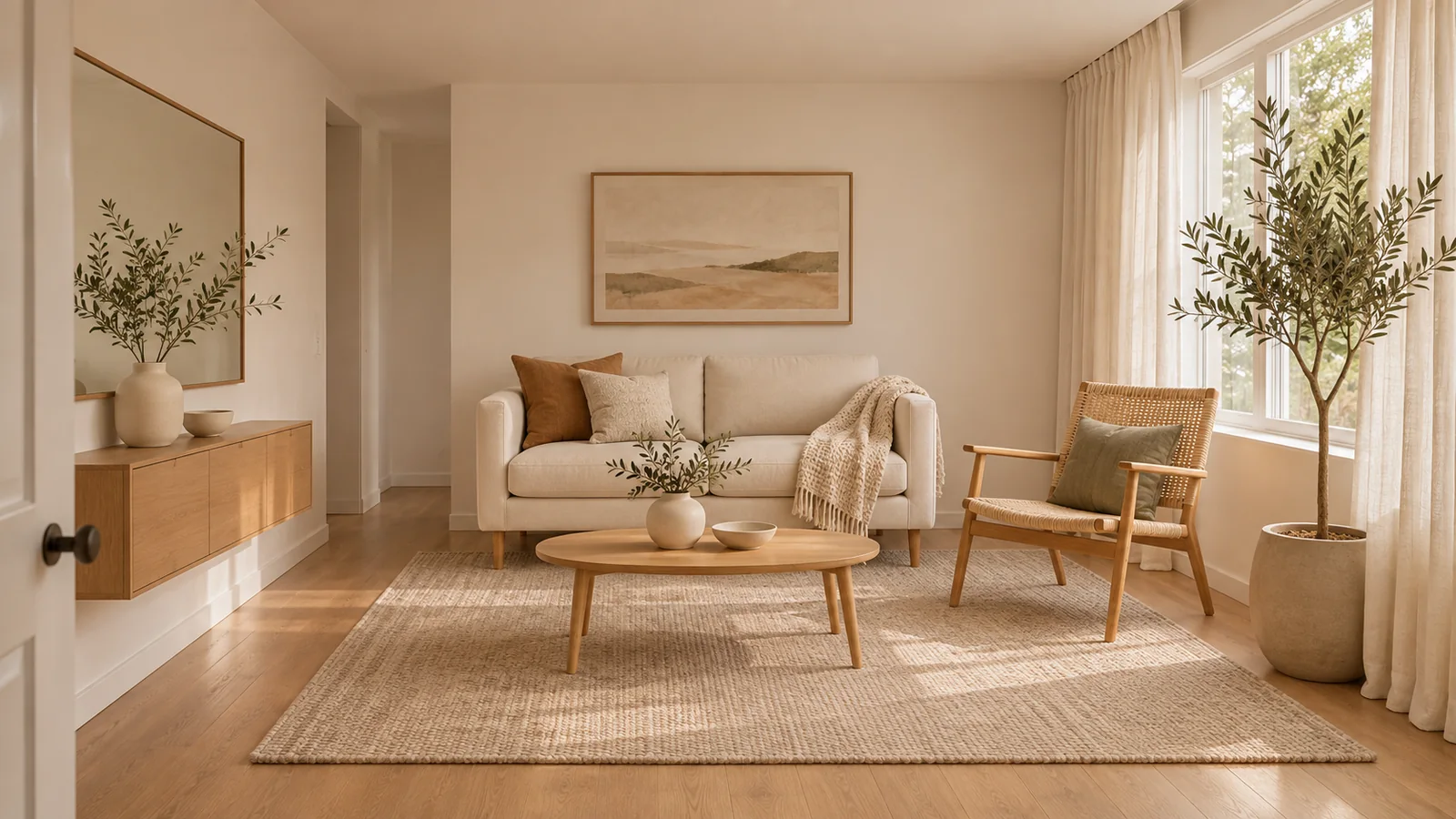
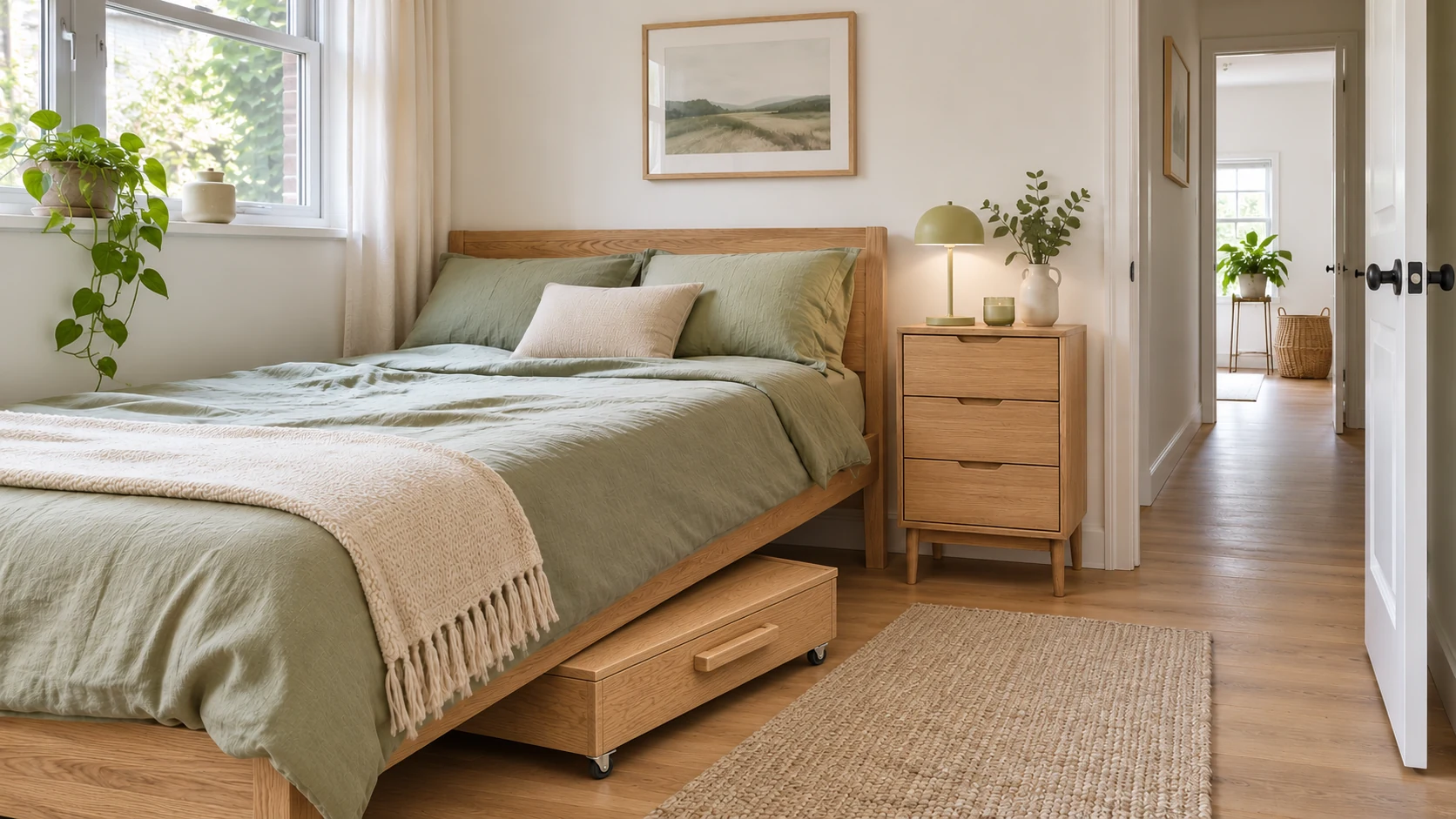
Short on bedroom storage? Start with the space you already have. These 21 small bedroom storage ideas help organize clothes, bedding, shoes, and everyday essentials using under-bed bins, smarter furniture, and overlooked corners. Find practical options for renters and compact rooms, plus simple checks to make sure everything fits and stays accessible.
Table of Contents
- Choose Your First Storage Change
- Before You Buy: Measure the Space You Can Actually Use
- Use the Bed Footprint
- Make Bedside Furniture Work Harder
- Fit Clothing Storage to the Room
- Use Doors and Walls Selectively
- Consolidate Seating and Laundry
- Test the Footprint Before You Commit
- Frequently Asked Questions
Choose Your First Storage Change
| Your main problem | Start with | Check first |
|---|---|---|
| Seasonal clothes crowd the closet | Low under-bed bins | Clearance beneath the frame and room to pull them out |
| There is no space for a dresser and nightstand | A compact dresser beside the bed | Bedside reach and drawer travel |
| Short hanging clothes leave unused space below | A second closet rail | Long garments, rail support and load limits |
| Everyday accessories cover surfaces | Drawer dividers or a lightweight door organizer | Actual drawer depth or door-closing clearance |
| Spare linens occupy existing seating | A storage ottoman replacing that seat | Seat rating, lid movement and walking space |
You do not need all 21 ideas in one room. Choose one main storage change, then add a smaller organizer only where a specific problem remains.
Before You Buy: Measure the Space You Can Actually Use
List what needs a home: daily clothing, occasional clothing, bedding, books, accessories and laundry. Keep frequent-use items easy to reach; reserve awkward spaces for things you retrieve less often.
Measure usable openings, not just outside dimensions. Under a bed, check the lowest rail, center supports and floor covering. At a closet, account for hinges, tracks and the door opening. Beside a dresser, measure with a drawer extended.
For wall-mounted storage, check the wall construction, specified fixings and load limits. Renters should confirm installation permission before buying. Furniture that requires anchoring is not a no-drill option: follow its instructions and the CPSC's furniture-anchoring guidance.
Use the Bed Footprint
1. Slide Low Rolling Bins Beneath Your Existing Bed
 Save
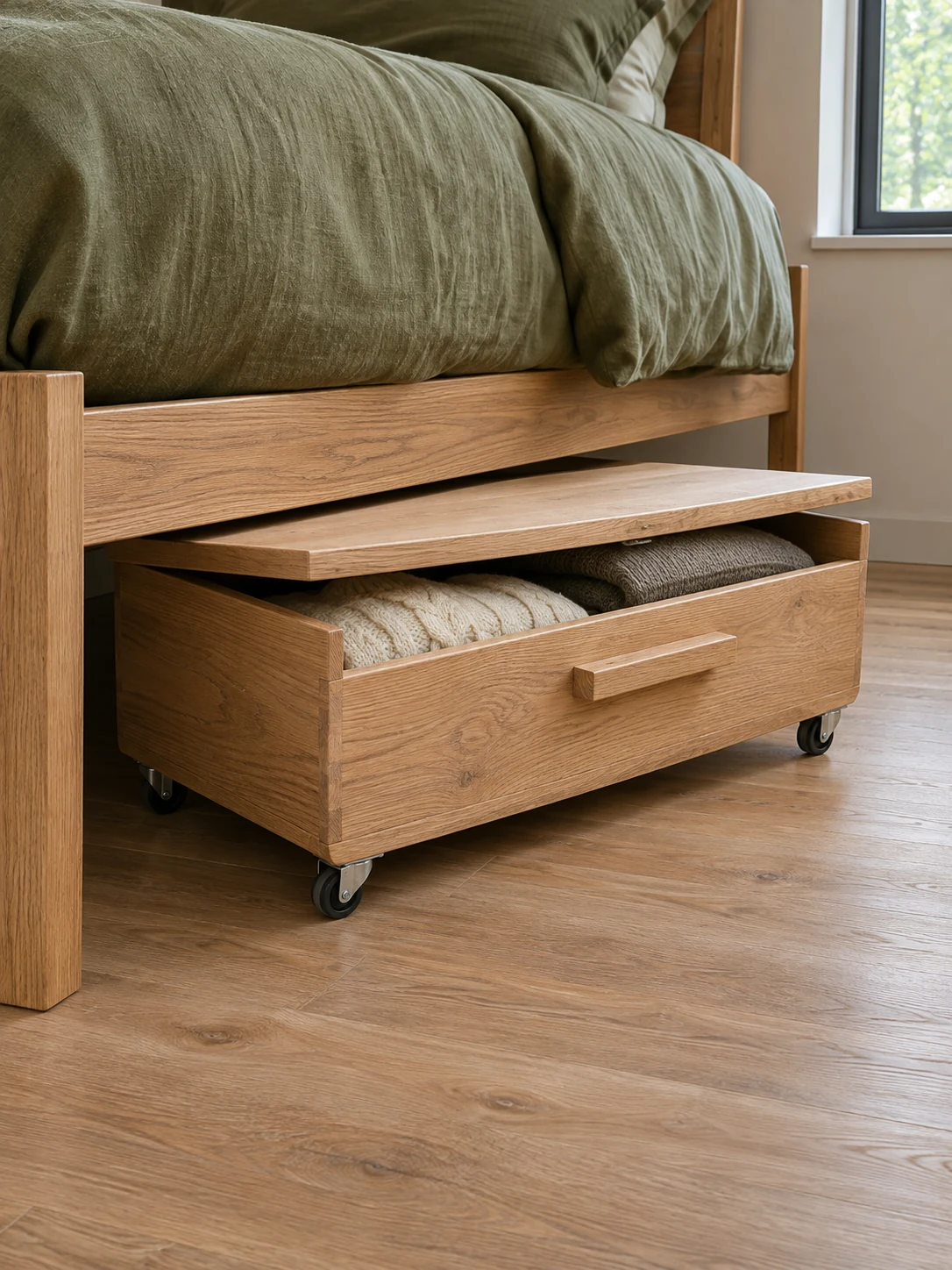
Start with the gap beneath the bed you already own. A low, lidded bin can hold seasonal clothes or spare sheets while leaving the closet available for everyday items.
Measure its complete height, including wheels and lid, and check that supports will not block its path. Put the handle toward the accessible side and test pulling the bin out before filling it. Avoid a bin so large that retrieving one sweater means moving furniture.
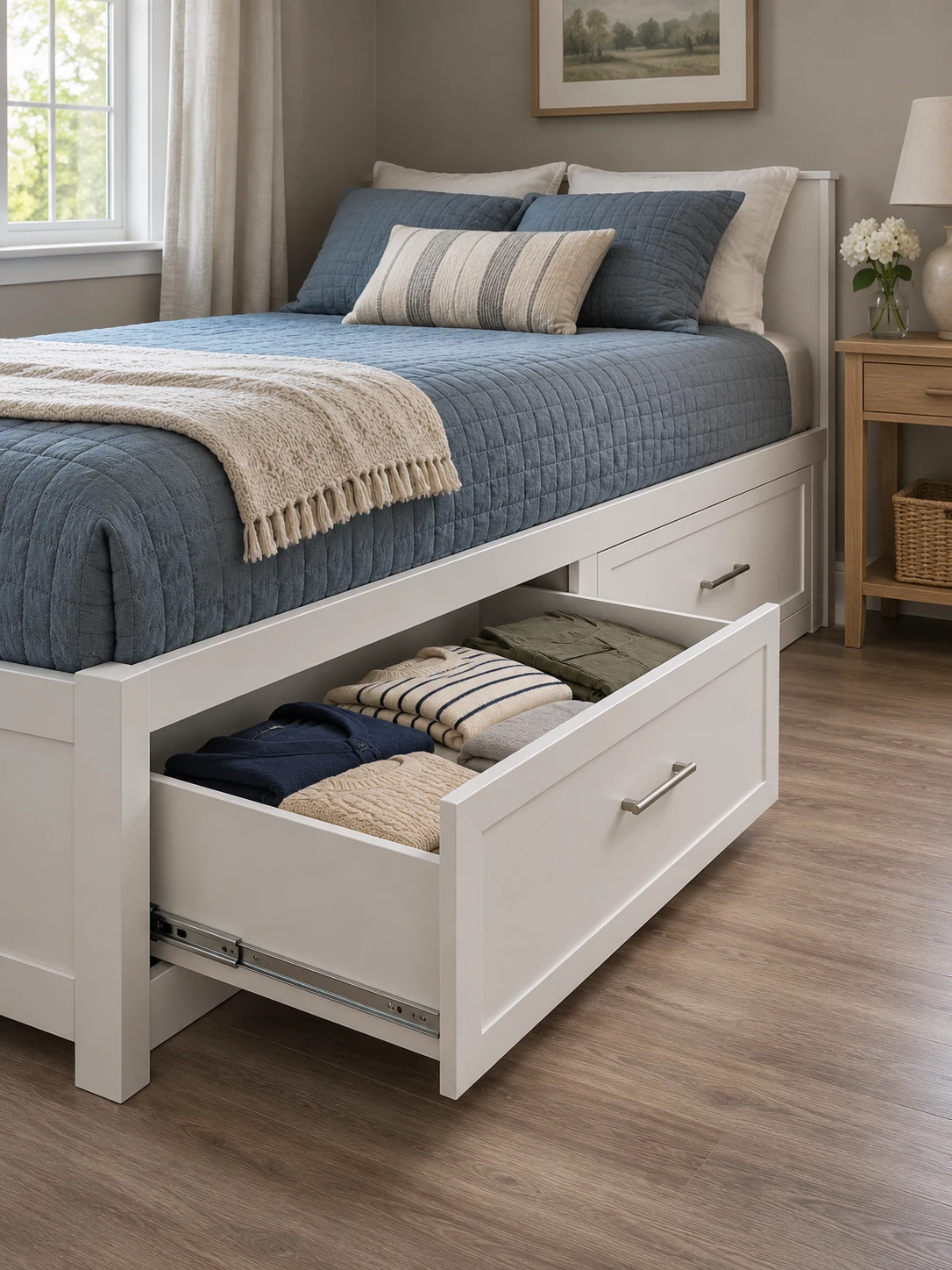
2. Choose a Bed With Built-In Drawers
 Save
If you are replacing the bed anyway, consider a frame with drawers for folded clothing. It adds storage within the bed's overall footprint, but the drawers still need room to open. Check their position against nightstands, a rug edge and nearby furniture.
A bed pushed against a wall may leave one side's drawers inaccessible. Choose this instead of loose under-bed bins when the drawer layout suits your room and the replacement fits your plans.
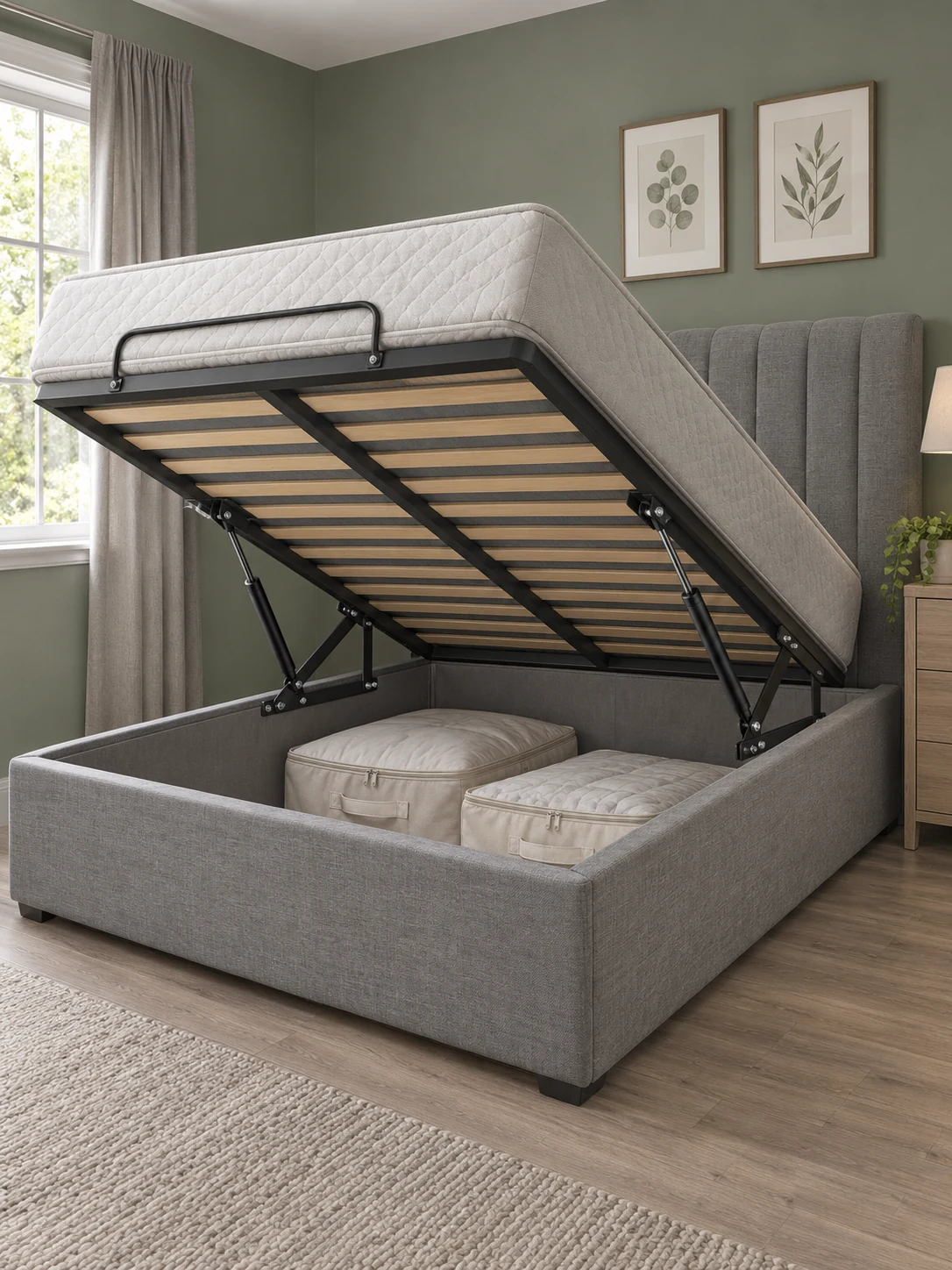
3. Consider a Lift-Up Storage Bed When Side Access Is Tight
 Save
A lift-up bed accesses storage from above, which can help when side-opening drawers would hit a wall. Reserve it for occasional bedding if lifting the base makes daily access inconvenient. Check the exact model's mattress compatibility, lifting instructions and access space before buying.
Check the chosen model's mattress-weight limits and instructions; IKEA's MALM storage-bed documentation is one product-specific reference. Do not improvise a support for the raised base.
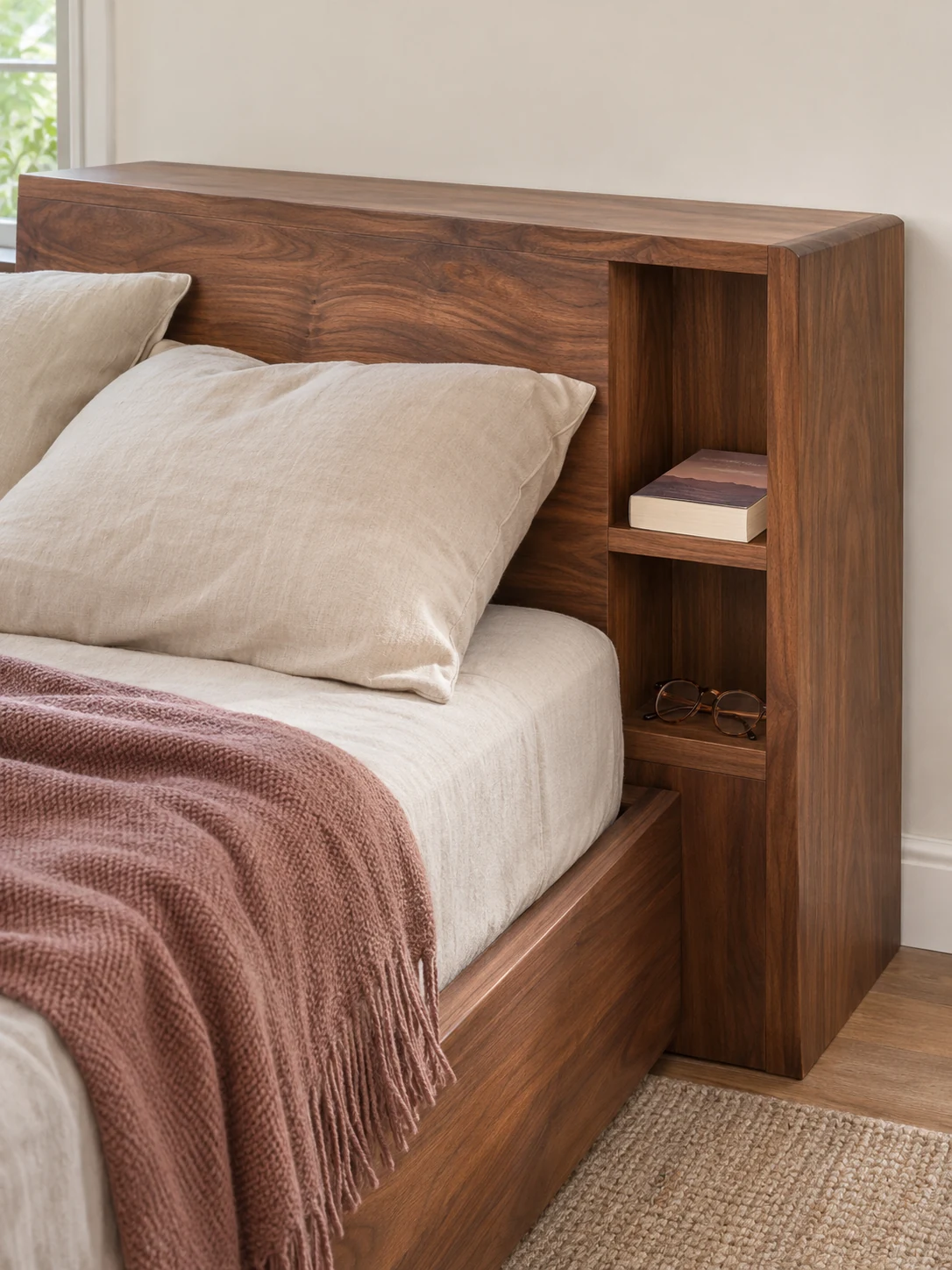
4. Use a Shallow Storage Headboard Instead of Separate Bedside Pieces
 Save
A headboard with side cubbies can give books and glasses a home where separate bedside tables would be awkward. Measure the bed's total length with the headboard included: those shelves may save width while taking up depth.
Keep the compartments within comfortable reach and reserve them for small essentials. A deeply recessed shelf that disappears behind pillows will be frustrating to use. Skip heavy objects above the sleeping area and follow the unit's installation instructions.
Make Bedside Furniture Work Harder
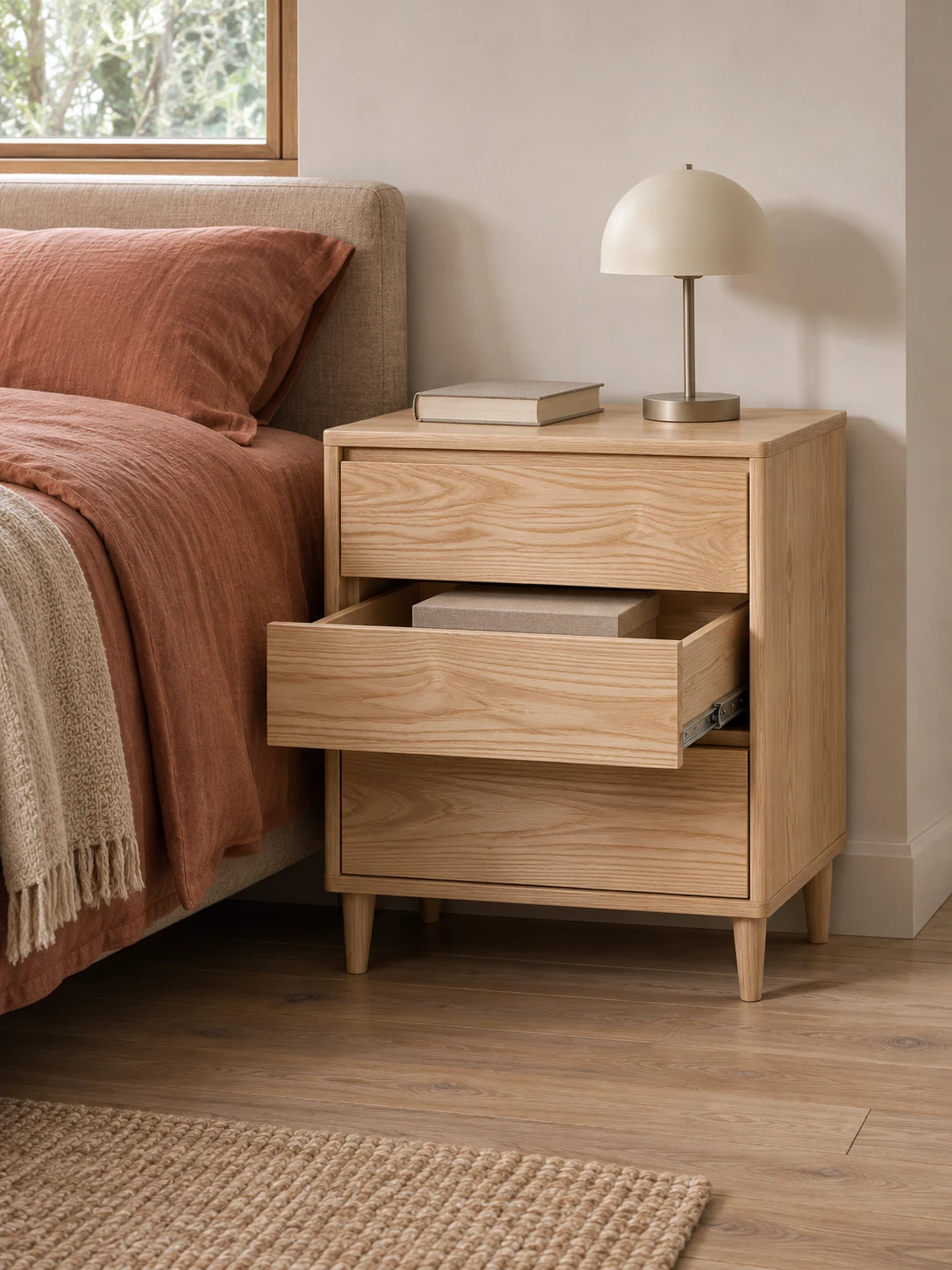
5. Let a Compact Dresser Double as a Nightstand
 Save
Where the bed height allows, a small dresser can replace a nightstand and a separate clothing unit. Use its top for a lamp and a few essentials, with folded clothes below. Compare the height with your mattress and try reaching from a seated position before committing.
Make sure drawers can open beside the bed without trapping bedding. If it simply adds a second dresser to an already crowded room, it has not solved the footprint problem.
6. Mount a Small Bedside Drawer to Free the Floor
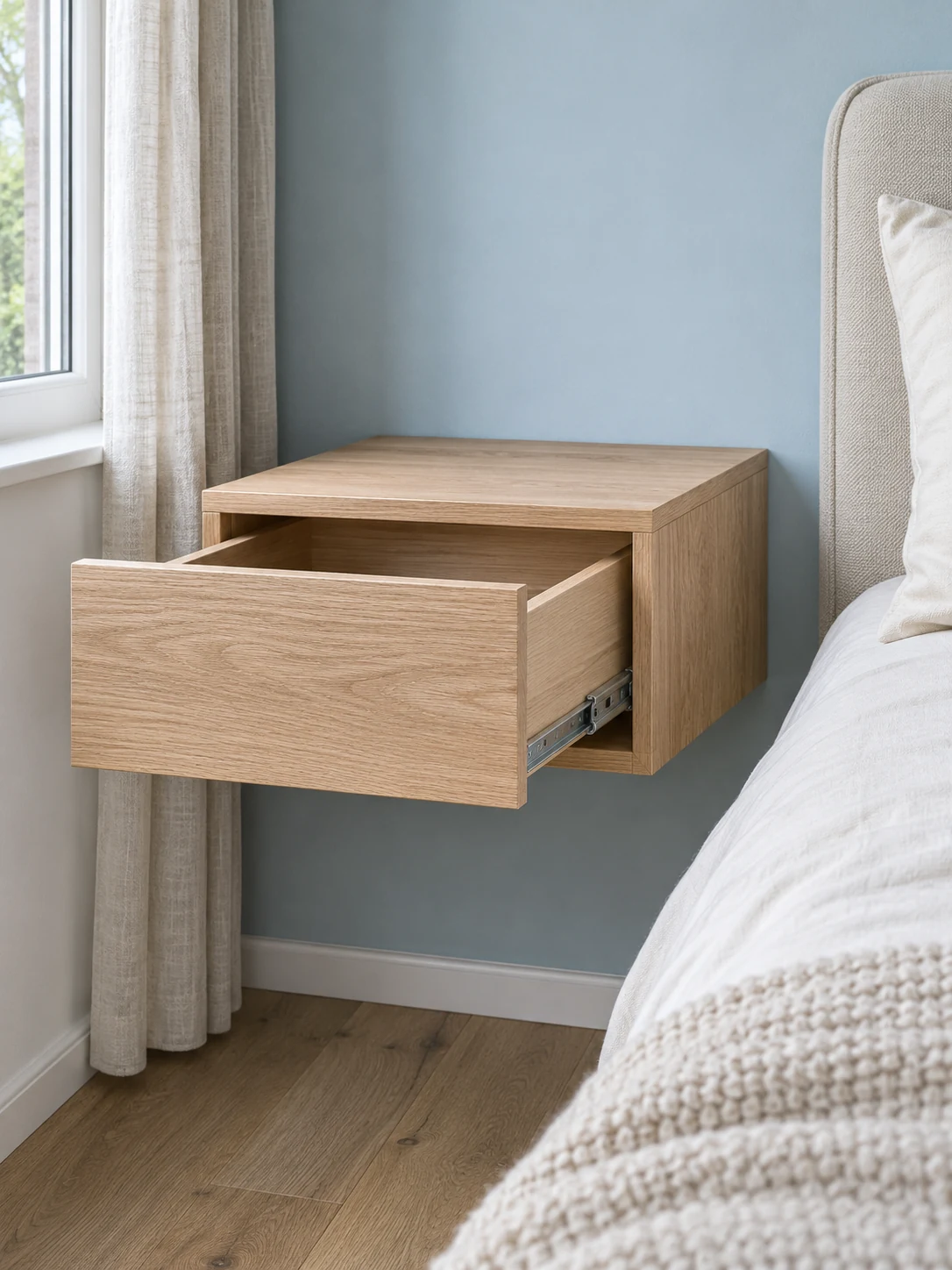 Save
A wall-mounted drawer keeps small essentials contained while leaving the floor below open. Choose enough depth for your bedside essentials. Position it after checking reach from the mattress and the drawer's opening path.
Installation depends on the wall and the manufacturer's fixings; it is not automatically renter-friendly. This idea clears a floor footprint, but it does not necessarily hold more than a freestanding nightstand.
7. Add a Bedside Caddy for Lightweight Essentials
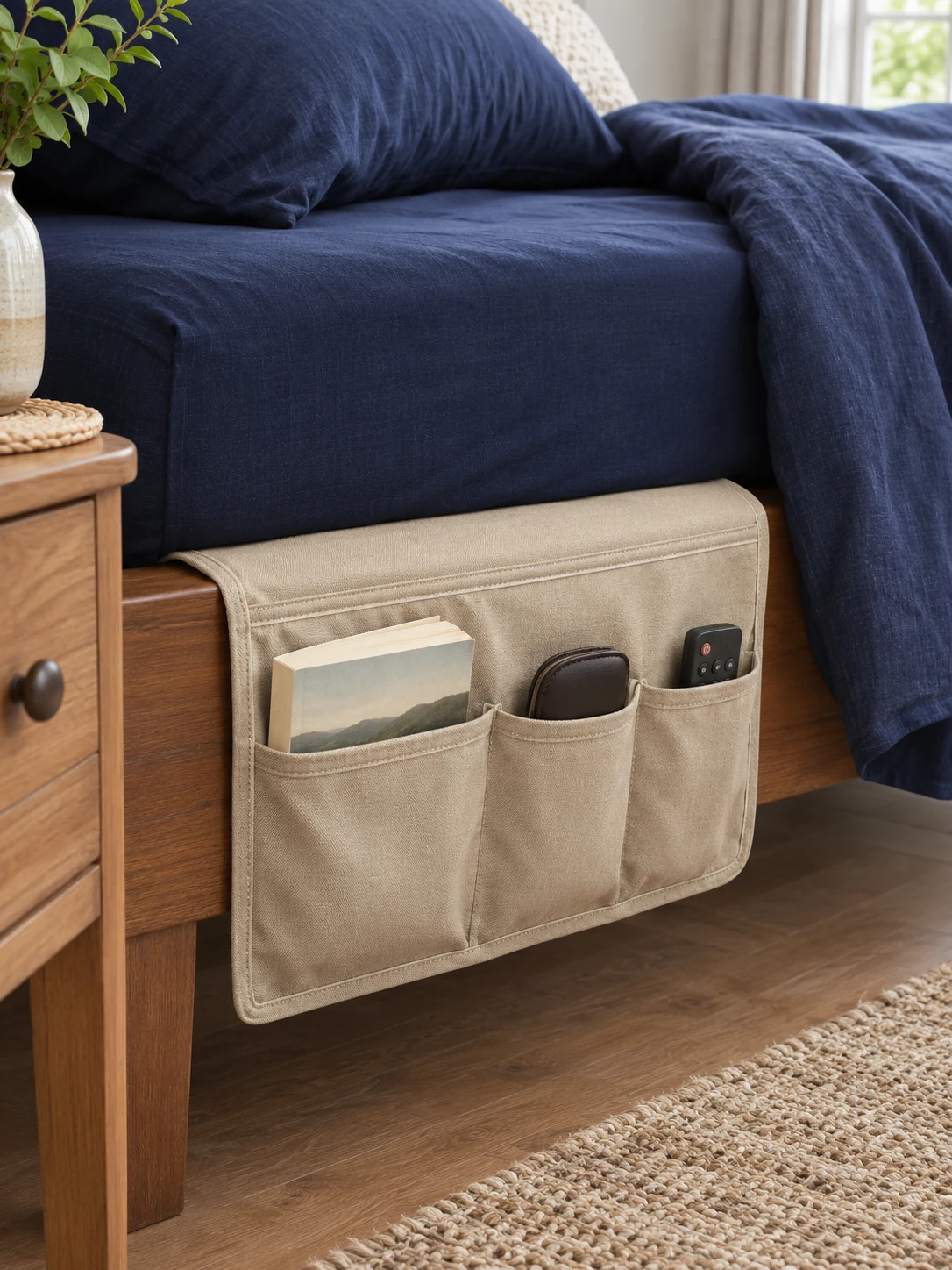 Save
A fabric caddy can hold a paperback, glasses and a remote when there is no useful spot for a table. Choose a design compatible with your bed and check how its attachment stays in place.
Keep contents light so pockets stay clear of the walking route. Give it a small, defined job rather than treating it as overflow storage. Keep chargers and charging electronics out of fabric pockets; place them according to their instructions.
8. Combine a Small Desk and Bedside Storage
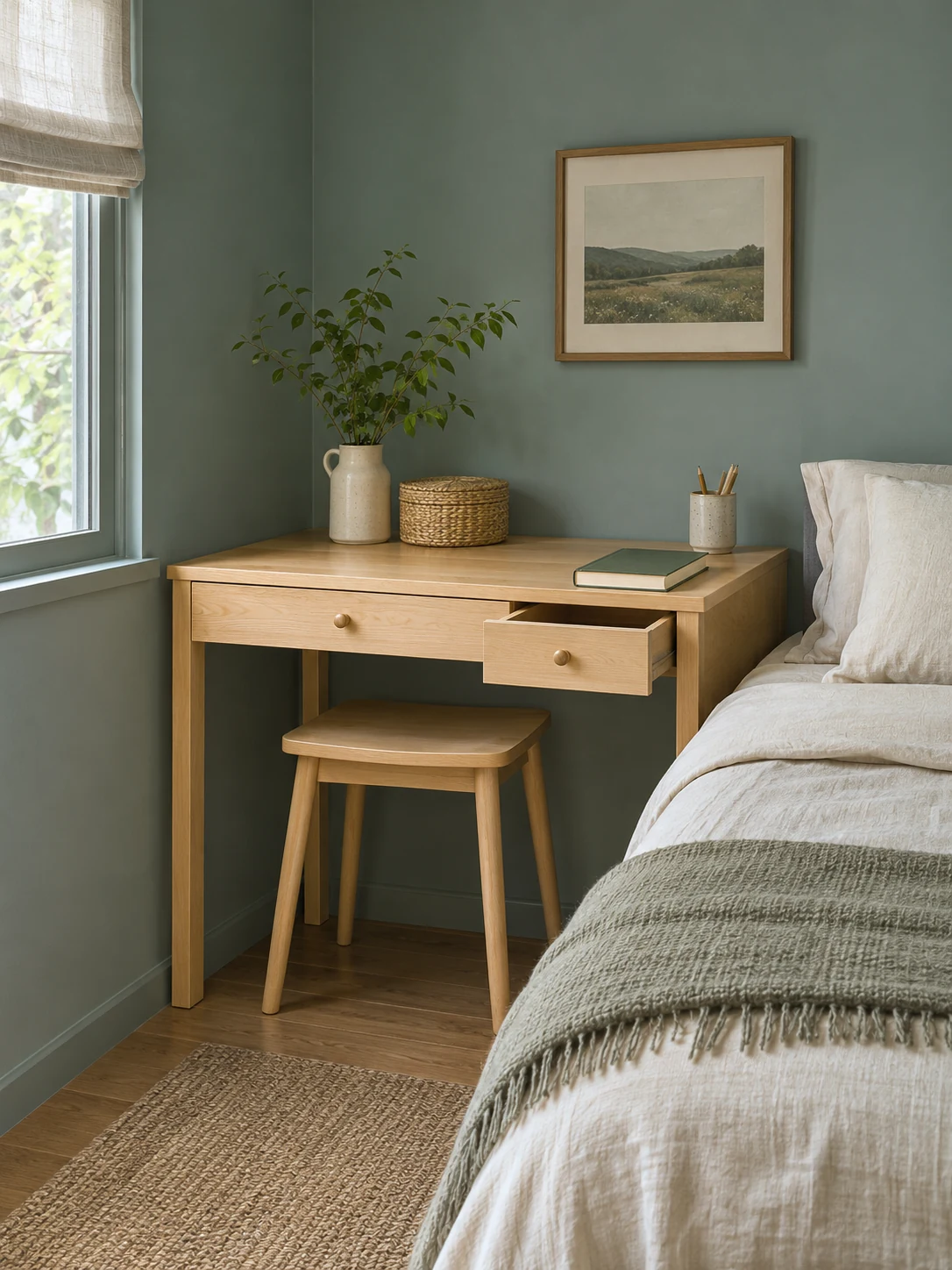 Save
If the bedroom already needs a desk, position it so one end can serve the bed as well. A drawer can separate stationery from nighttime essentials, while a stool or chair that fits beneath the surface keeps access clearer.
Check knee room, chair movement and whether you can still make the bed comfortably. Combine existing needs; skip a workspace you would not use. See our small home office guest room ideas for rooms with a second function.
Fit Clothing Storage to the Room
9. Replace a Wide Dresser With a Narrow Chest
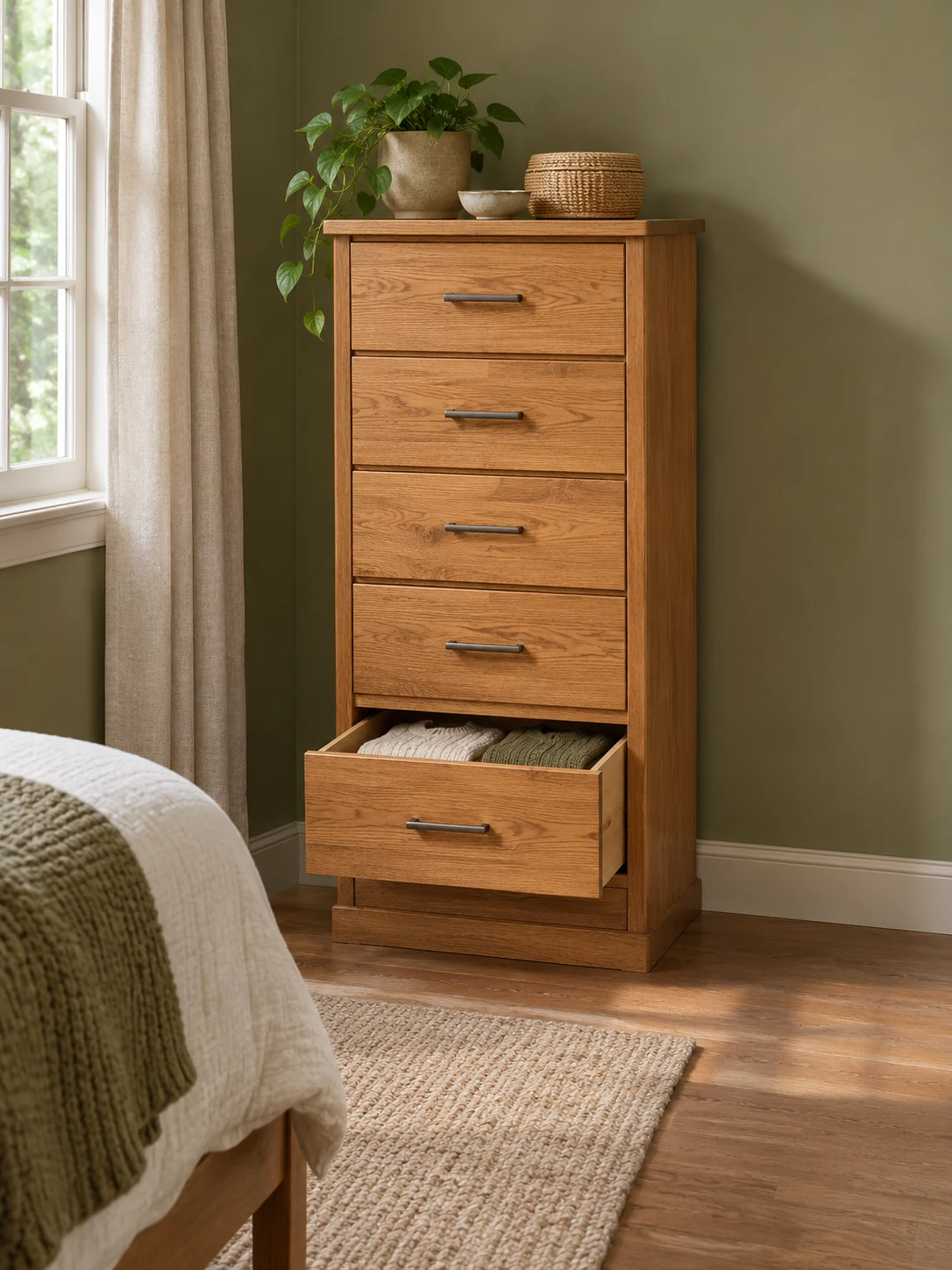 Save
A narrow chest can suit a short section of wall where a wide dresser projects into the room's usable route. Compare internal drawer dimensions and useful capacity, not just the overall height.
Check whether the upper drawers are comfortable to reach and the lower ones can open fully. Follow the manufacturer's anchoring instructions. Choose this as a replacement for an awkward piece; adding a tall chest beside the old dresser may only move the congestion elsewhere.
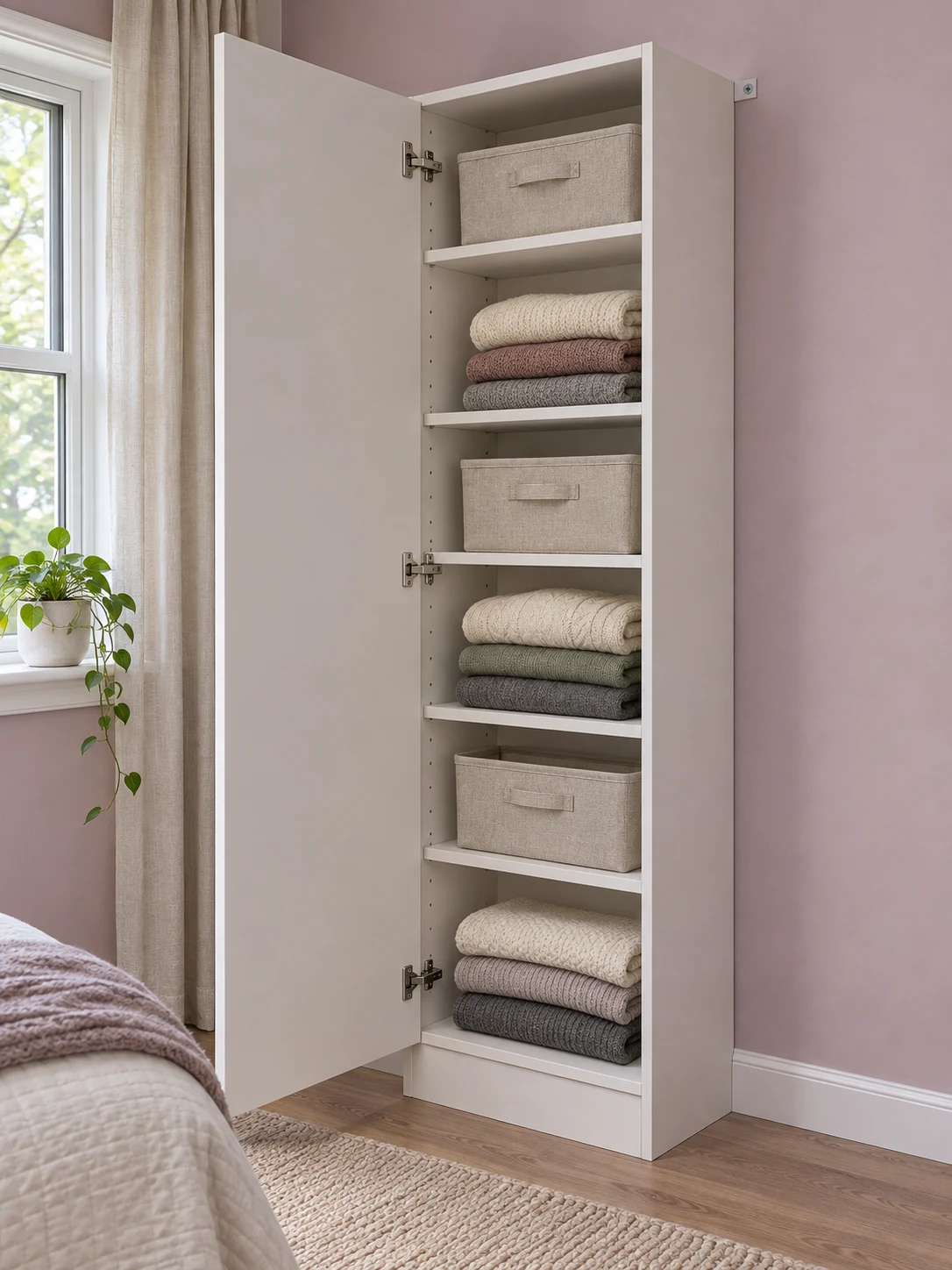
10. Choose a Shallow Wardrobe for Folded Clothes
 Save
A shallow wardrobe with shelves can provide closed storage where a standard-depth unit would feel intrusive. Plan it around folded clothes, bags or small bins rather than assuming ordinary hangers will fit.
Measure shelf depth against the items themselves, then allow room for the doors to operate. Adjustable shelves are useful when stacks vary in height. Include the manufacturer's anchoring requirements in your plan, and do not position the unit over a vent or against a heater.
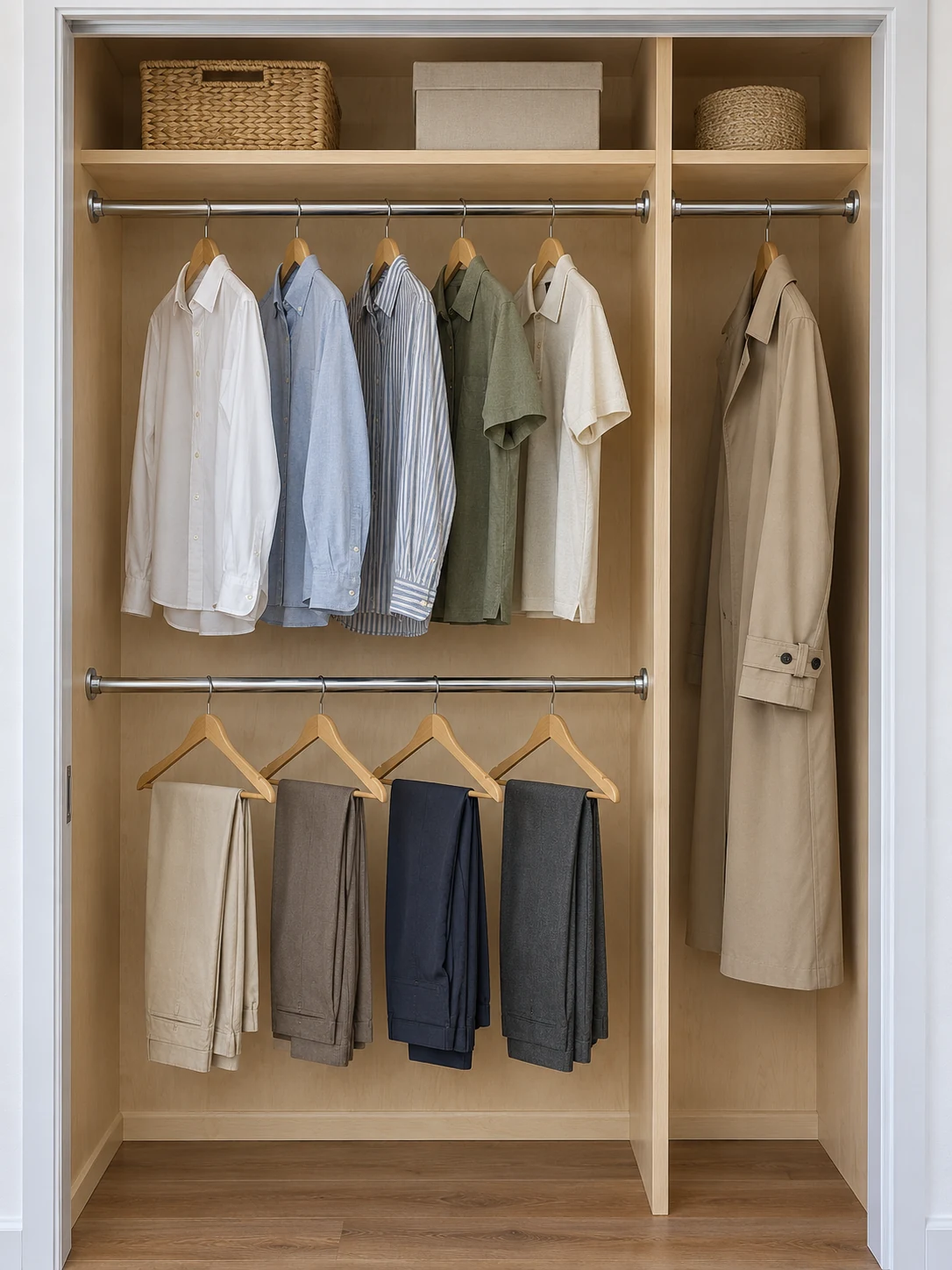
11. Add a Second Closet Rail for Short Garments
 Save
If shirts hang above an empty stretch of closet space, a second rail may make better use of that height. Keep one section at full height for dresses or coats instead of dividing the entire closet automatically.
Check garment lengths, hangers and access to both rails. Use a compatible system with the specified supports and load rating; a hanging add-on also places weight on the upper rail. This is a hanging-space solution, not extra room for bulky folded items.
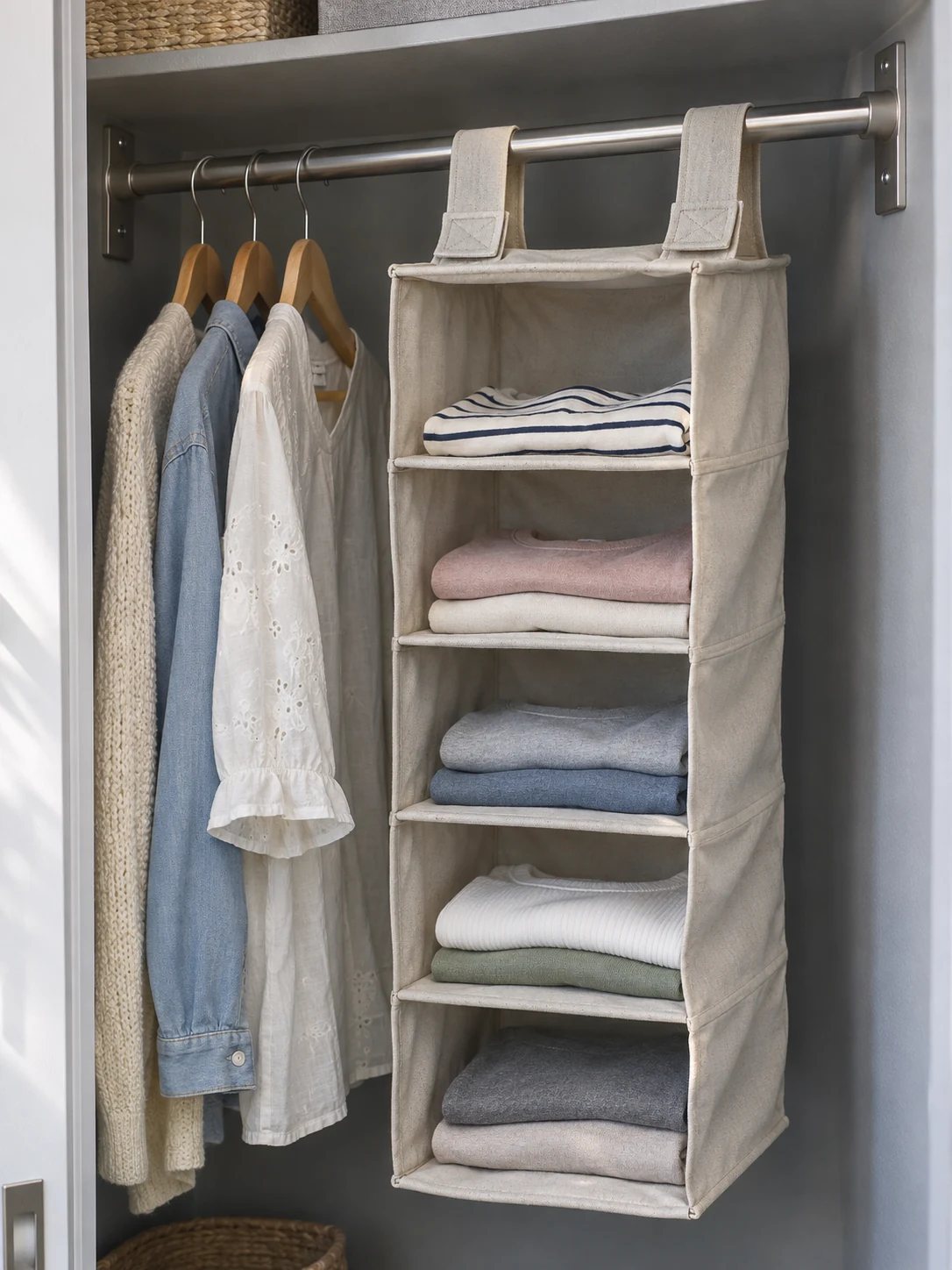
12. Use a Hanging Shelf Organizer for Lightweight Knitwear
 Save
A fabric hanging organizer can add small folded-storage compartments without a new floor unit. Use it for lightweight tops, scarves or other items that suit its stated capacity. It takes up hanging width, so first decide whether those shelves will serve you better than the garments they displace.
Keep heavy items elsewhere and check the attachment to the rail. Choose this where you need folded sections; choose a second rail instead when hanging clothes are the real problem.
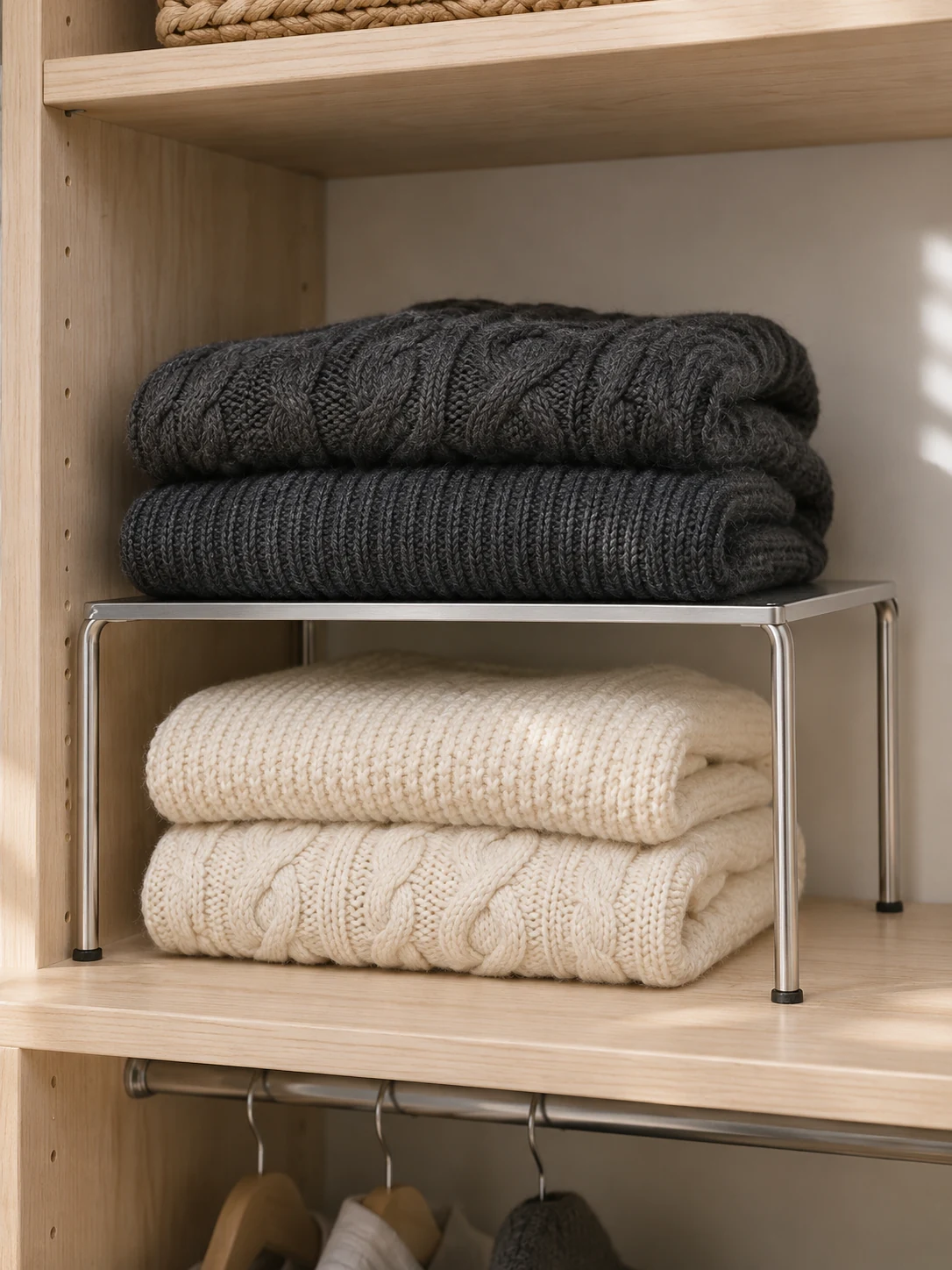
13. Split Tall Closet Shelves With Shelf Risers
 Save
A riser can divide a tall shelf into two more accessible levels, reducing the need for one deep stack of folded clothes. Measure the shelf opening and check that each resulting space fits your items.
The riser needs a stable base and a suitable load rating. Keep small pieces accessible at the front. It improves how existing shelf volume works; it does not increase the closet's physical size.
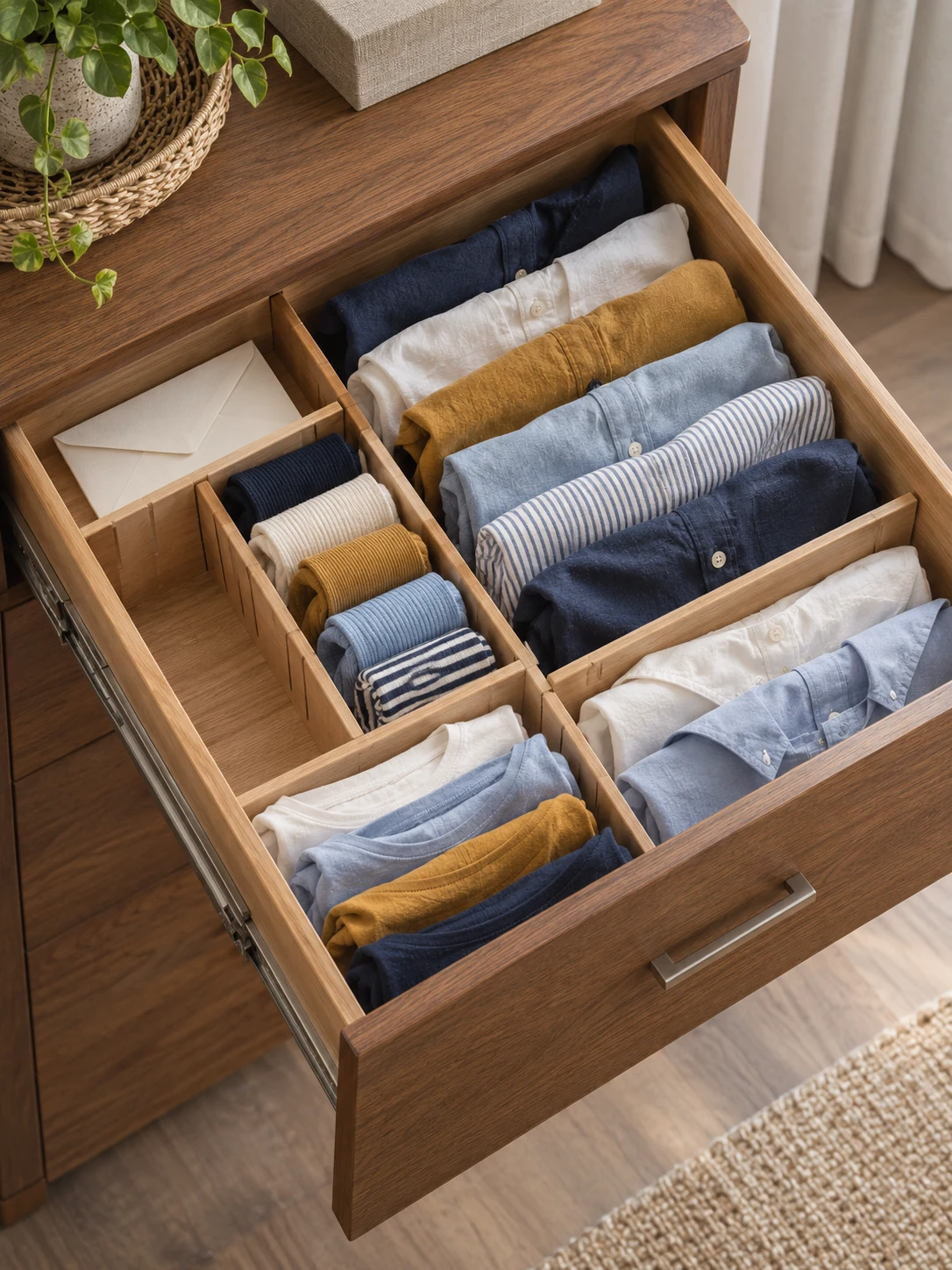
14. Divide Drawers and File-Fold Everyday Clothing
 Save
Shallow dividers give socks, underwear and T-shirts separate places without adding a basket to the floor. Fold items to suit the drawer's actual depth, with enough room for it to close freely.
Arrange everyday pieces so you can identify them without lifting out a whole pile. Start with one drawer and adjust the compartment sizes after using it. This makes existing storage easier to manage; it is not a promise that every folding method will fit more clothes.
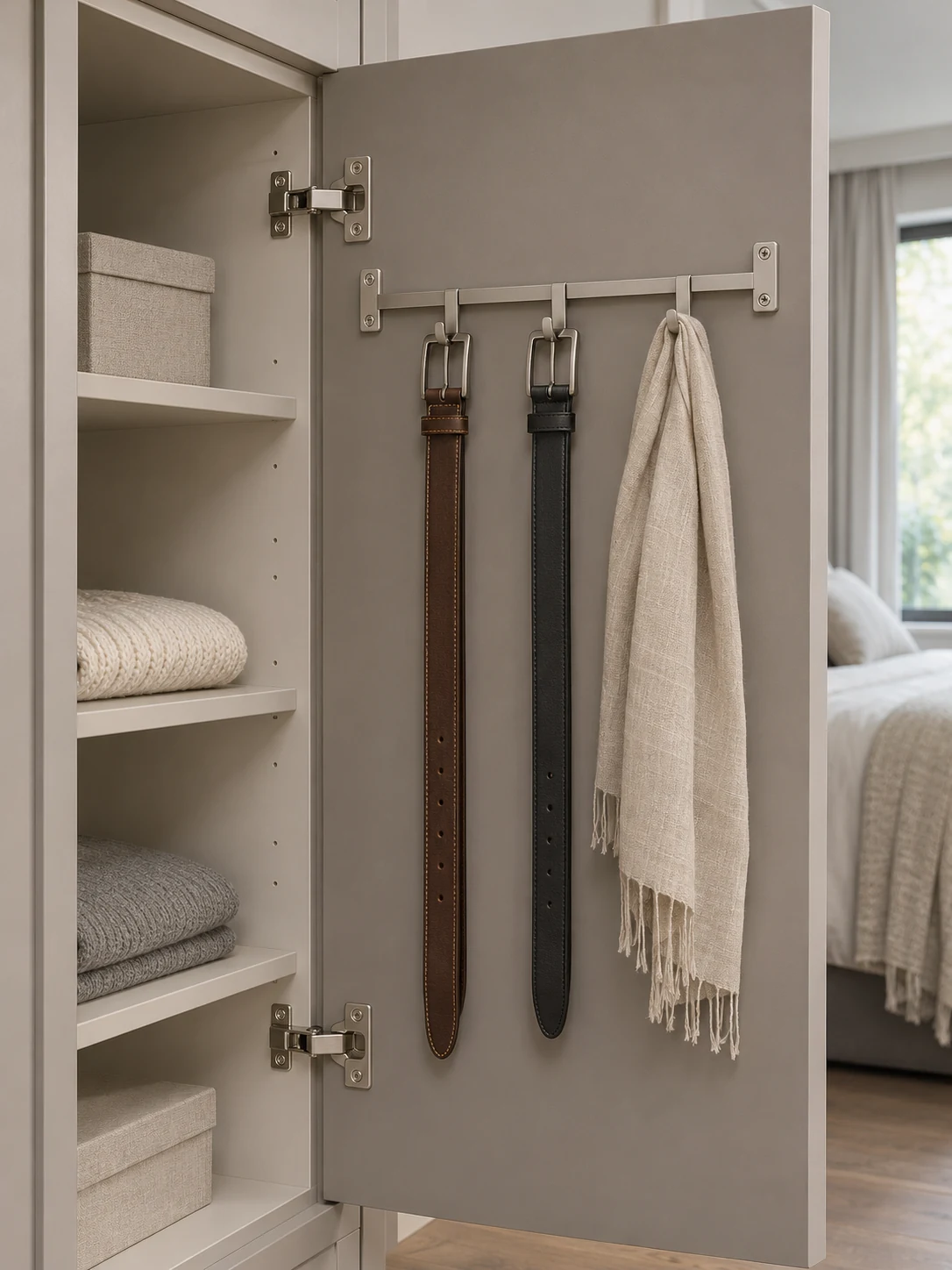
15. Use the Inside of a Wardrobe Door for Small Accessories
 Save
The inside of a wardrobe door can hold a slim organizer for belts, scarves or small accessories. Check the gap between the closed door and the shelves before choosing its depth. Avoid hinges and handles, and use fixings suitable for the door material and the organizer's load.
Test closing the door with representative contents in place. A shallow arrangement that stays usable is more helpful than a heavily filled rack that prevents the wardrobe from closing.
Use Doors and Walls Selectively
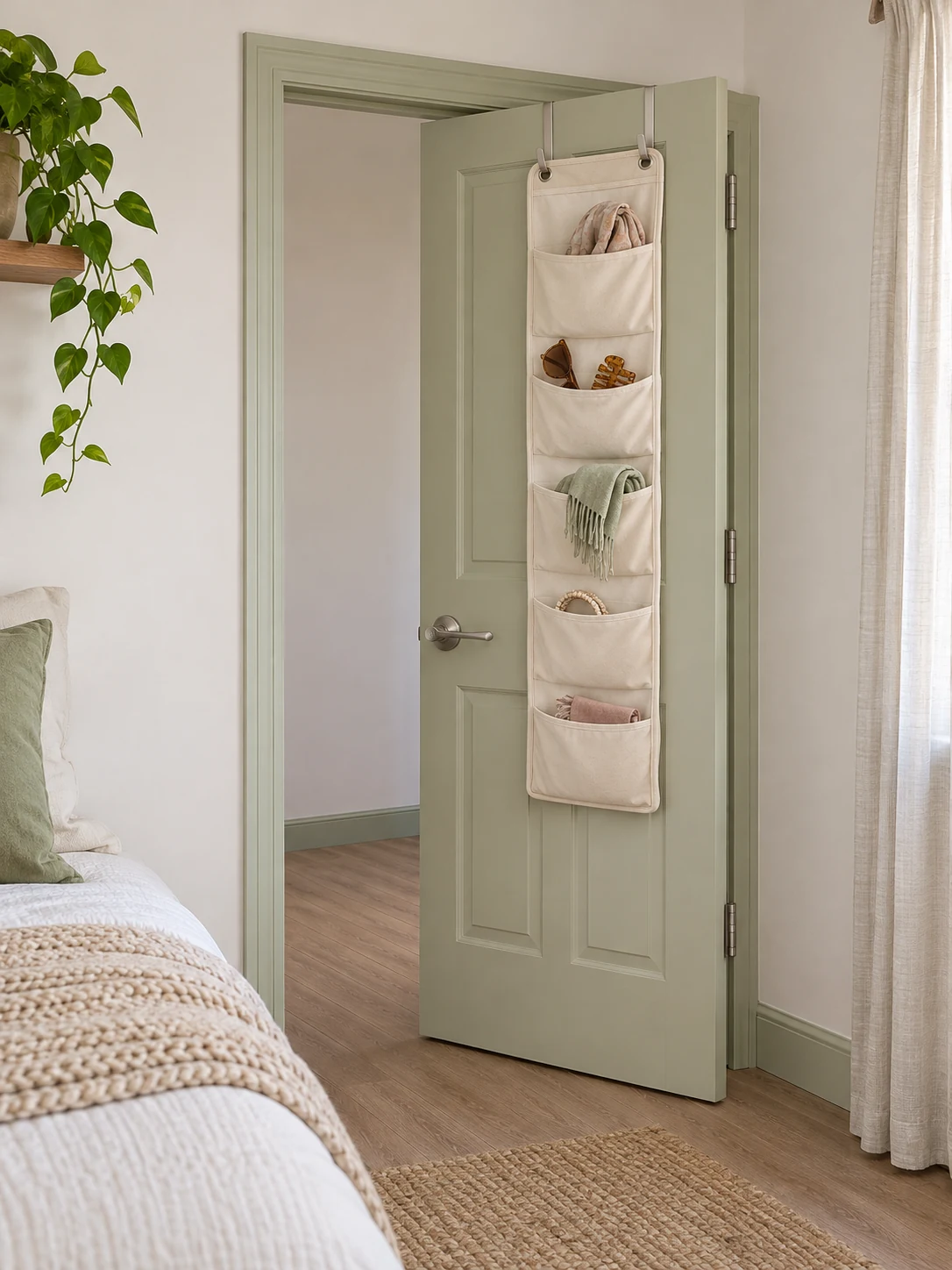
16. Hang a Slim Pocket Organizer Behind the Bedroom Door
 Save
A slim over-door organizer can collect light accessories that otherwise end up on a chair. Check door thickness, the gap above it and the space behind it when fully open. Hooks must not prevent normal closing or interfere with a required door function.
Test with a few items before filling every pocket. Keep the handle accessible and the doorway clear. If the hardware catches or the door no longer works normally, use a different location rather than forcing it.
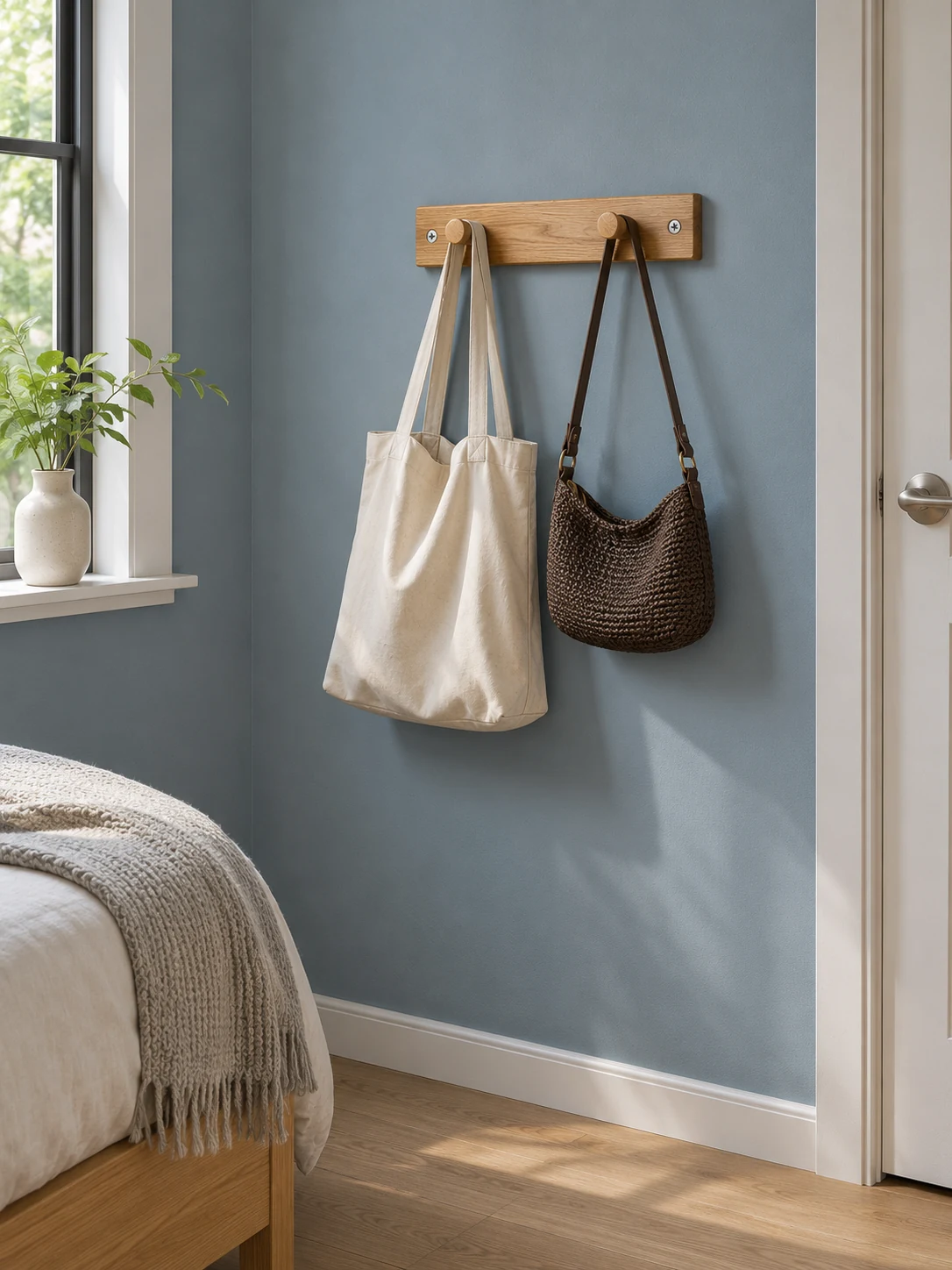
17. Give Frequently Used Bags a Short Wall Rail
 Save
A short rail with a few hooks creates a landing place for bags you use during the week. Mount it where the bags themselves will not project into the walking route or cover a switch. Check the rail, hooks, wall and fixings for the intended load.
Resist filling every hook with heavy bags: the purpose is to replace a floor pile with a manageable daily-use station. Store occasional bags elsewhere so the rail stays easy to use.
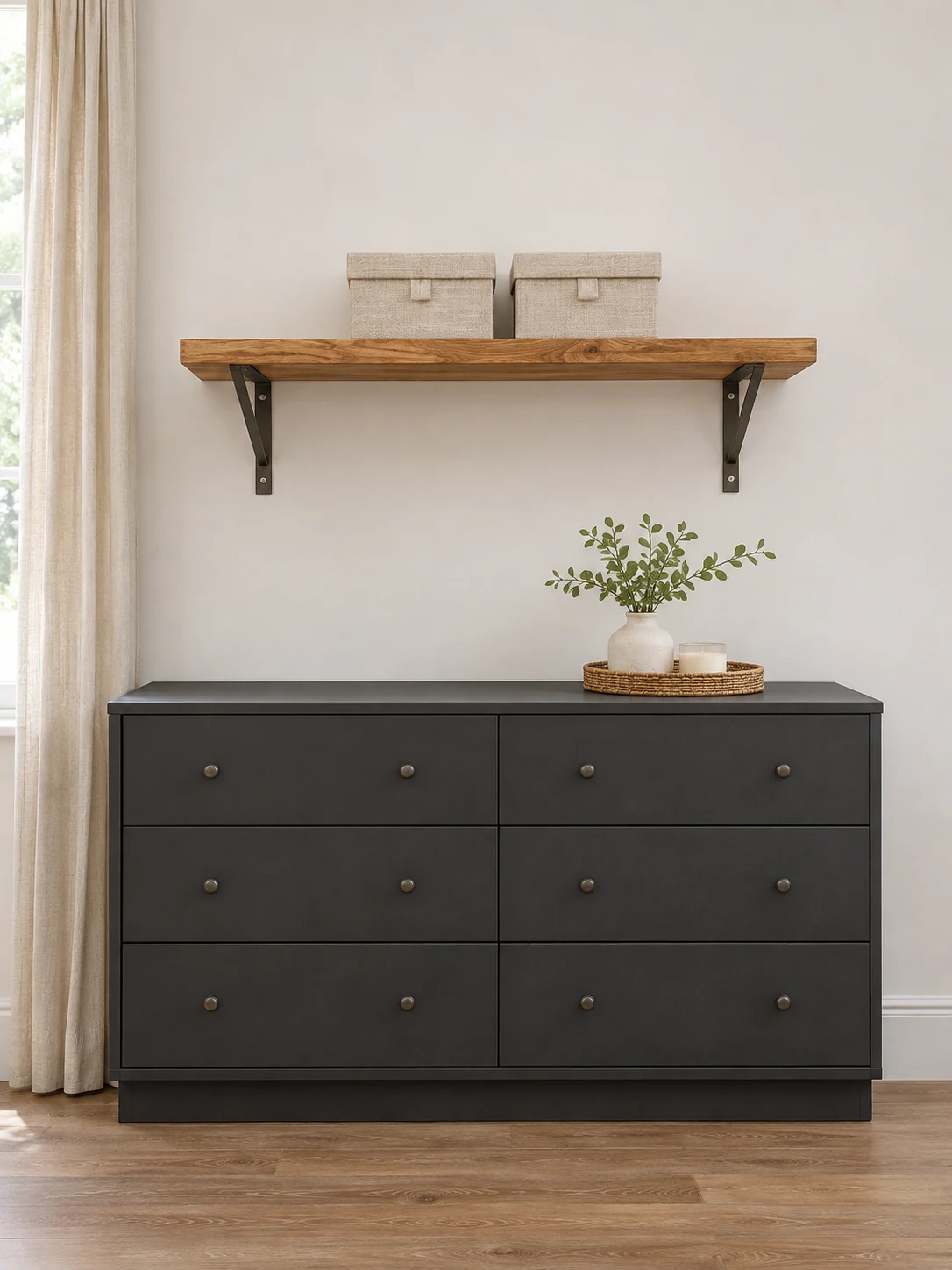
18. Add One Shelf Above an Existing Dresser
 Save
A shelf above a dresser can hold a few lightweight boxes without taking another section of floor. Choose items you retrieve occasionally, and keep the shelf at a height you can access without climbing on the dresser.
Installation and load limits depend on the shelf and wall. Use closed boxes for small loose belongings, with heavier items stored lower down. The dresser top should remain usable; a shelf that requires a complicated reaching routine is a poor trade.
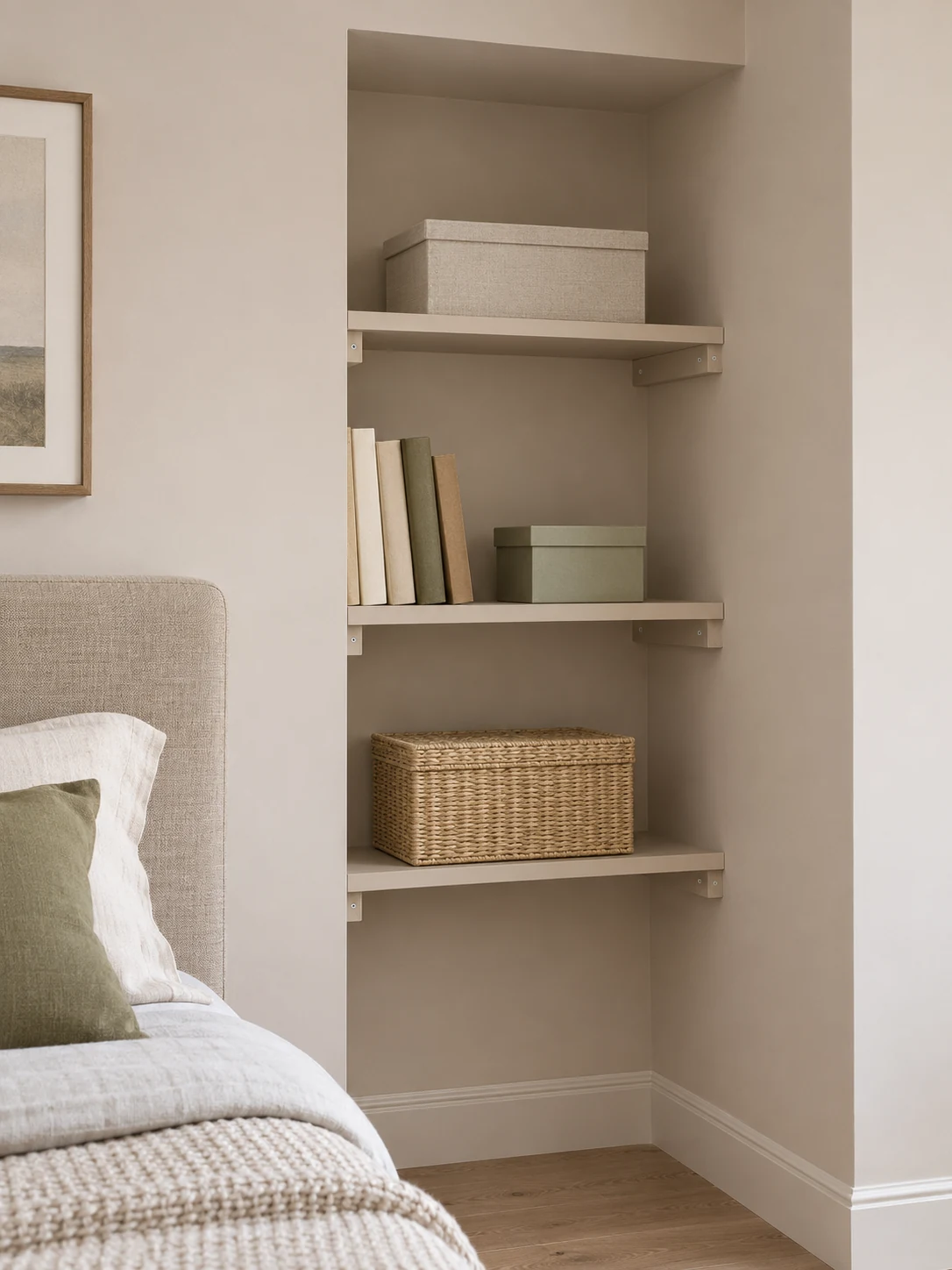
19. Fit Shallow Shelving Into an Existing Alcove
 Save
An existing recess can accommodate shallow shelves for books or small storage boxes while leaving the main wall line relatively clear. Measure at several heights, since the opening may not be perfectly square.
Size shelves around the objects you intend to keep there and use appropriate supports. Do not cut into a wall simply to create this idea. If no alcove exists, another solution may be easier than paying for custom construction or adding a projecting unit.
Consolidate Seating and Laundry
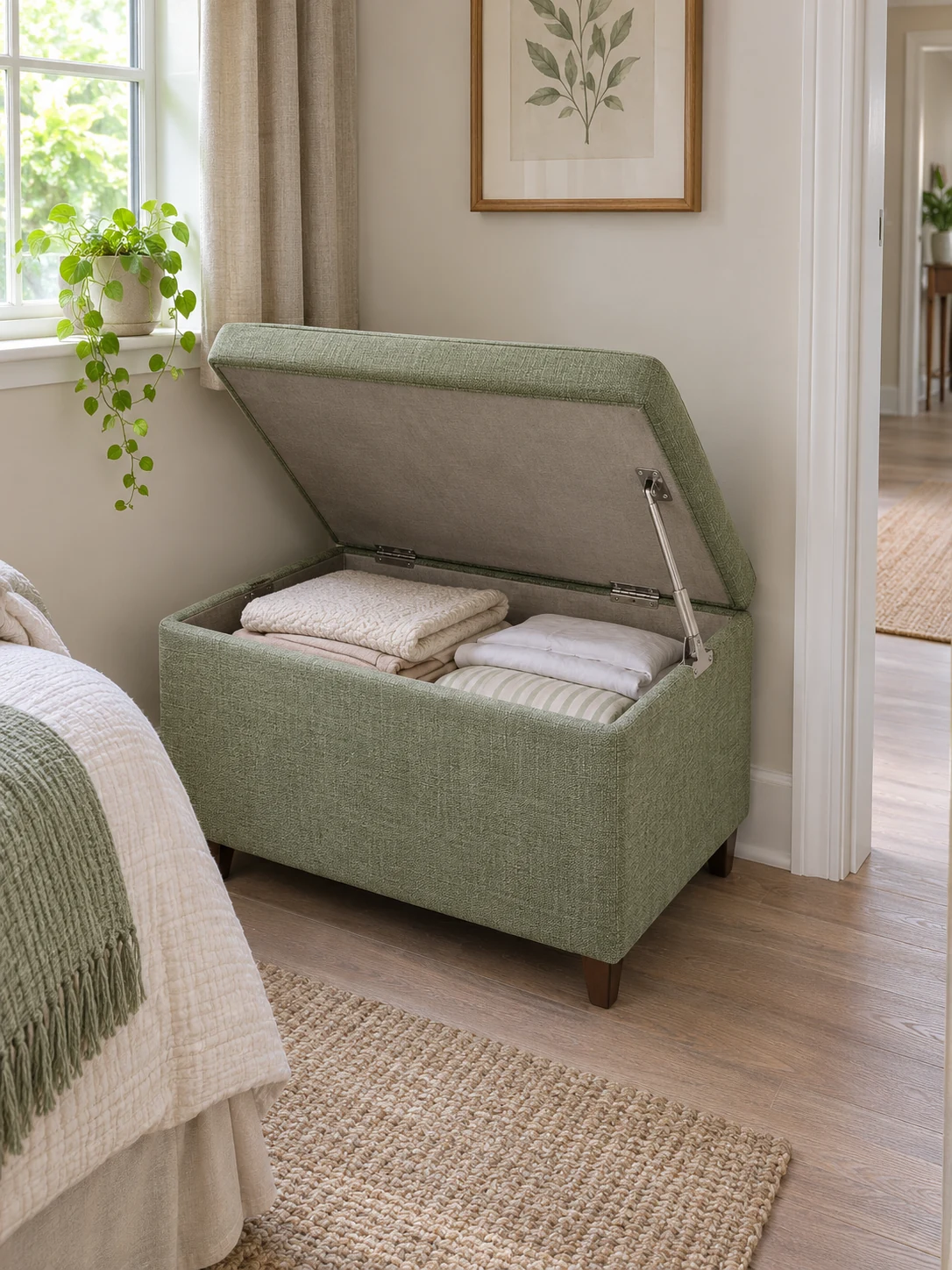
20. Replace Existing Seating With a Storage Ottoman
 Save
If a chair or footstool is already part of the room, a storage ottoman may combine that seating role with space for spare linens. Check its seating rating, interior capacity and lid movement.
It needs to open without hitting the bed, and it should not narrow your route to the door. Choose hardware appropriate to the household and follow its instructions. Skip this idea if it means adding a new piece to a floor area that was previously clear.
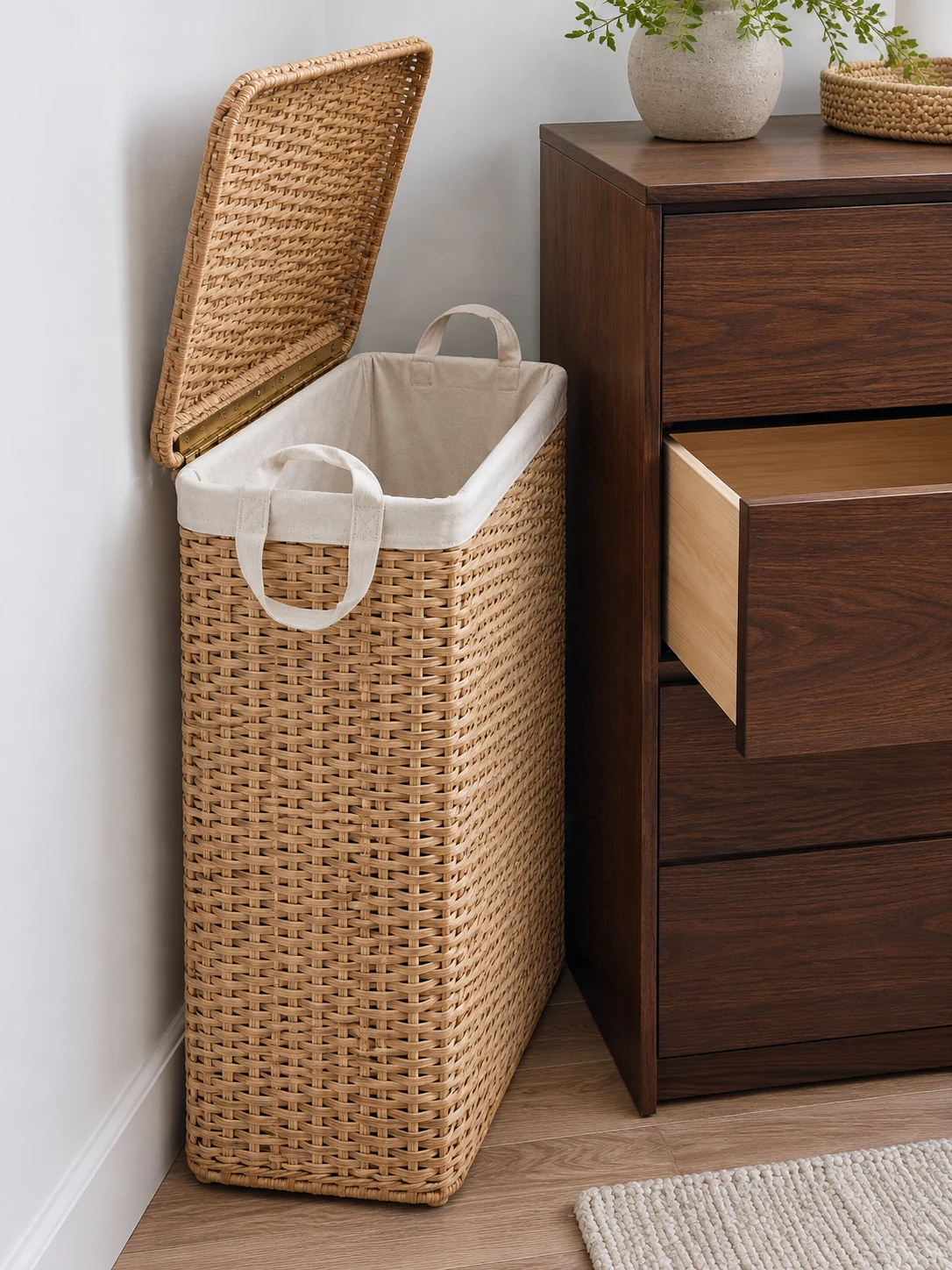
21. Choose a Slim Hamper for a Measured Unused Gap
 Save
A narrow hamper can suit a gap beside a dresser that is too small for useful furniture. Measure with the lid open, not just the basket closed, and check that nearby drawers still work.
Choose a removable liner or a shape you can carry out for laundry. Keep it ventilated and avoid squeezing it against heating equipment. This helps most when it replaces a broad basket in the walking route; leave an unusably tight gap empty.
Test the Footprint Before You Commit
Use painter's tape to mark the outline of proposed furniture on the floor. Add the drawer extension or lid movement from its dimensions or instructions. Walk from the bed to the door, open the closet, and check where you stand while dressing. This planning exercise does not replace installation instructions or establish code compliance.
For example, a dresser might fit along the wall when closed but leave nowhere comfortable to stand when a drawer is open. A shallower replacement could help, while drawer dividers would only organize the same obstructive piece. Choose the change that addresses your actual problem.
Start with one zone, move the intended belongings into it, and use it through a normal laundry cycle before buying more organizers. Keep everyday items near the front and occasional items farther back. If a solution repeatedly requires moving another piece of furniture, reconsider its position or purpose.